 Available 24 hours, 7 days a week
02 9199 7430
Click To Request a Quote
Available 24 hours, 7 days a week


Updated for 2026 using current Australian plumbing rates, water efficiency standards, and real-world toilet replacement jobs handled by licensed plumbers.
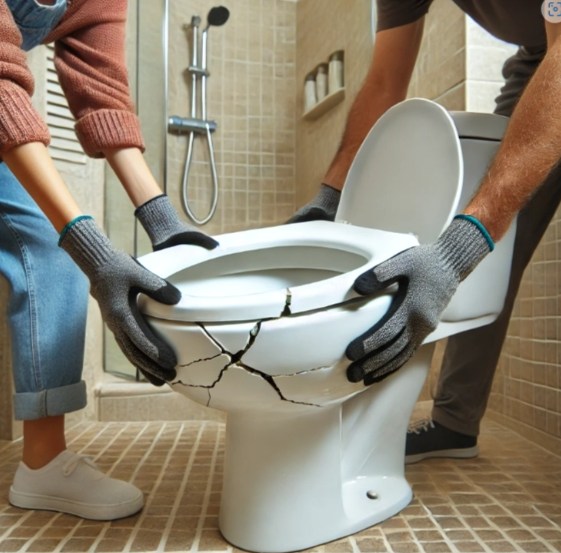
Short Answer: For most Australian homes in 2026, a standard toilet replacement service usually costs between $300 and $600.
That assumes:
Costs move higher when access is difficult, the toilet type is more complex, or extra repairs are required. In some homes, especially apartments or renovations, replacement can exceed $1,000.
Many people assume they are paying for the toilet itself. In reality, most of the cost sits in labour, time, and responsibility. A proper replacement involves more than swapping one unit for another.
The job includes isolating the water supply, disconnecting and removing the old toilet, inspecting the flange, pan collar, and surrounding floor, then installing, securing, and sealing the new unit correctly. The toilet is then tested for leaks, movement, and flush performance before the job is signed off.
Even when everything goes smoothly, a replacement typically takes two to three hours once travel, setup, and testing are factored in. That time increases if access is tight or small issues are uncovered.
That is why two plumbers can quote very different prices for what sounds like the same job. One quote may include disposal, thorough testing, and minor fixes. Another may cover only the basic installation, with extras added later.
How plumbers set their rates can depend on many things, from travel and labour to experience and market demand, similar to how general plumbing costs in Sydney vary widely even for basic services.
Rather than a single price, most jobs fall into one of these buckets:
These ranges reflect real jobs we complete, not idealised pricing.
The design of the toilet alone can significantly affect installation cost. In some cases, choosing a different style can double the labour required, even when the toilet itself is similarly priced.
Close-coupled toilets: These are the most common toilets found in Australian homes. They are typically the fastest to install, the easiest to service over time, and the most cost-effective option overall. For homes with standard plumbing, this design usually keeps labour time and risk to a minimum.
Back-to-wall toilets: Back-to-wall toilets offer a more modern appearance, but installation is less forgiving. Plumbing alignment needs to be more precise, which increases installation time. That extra labour is reflected in the final cost, even though the toilet itself may not be significantly more expensive.
Wall-hung and concealed cistern toilets: Wall-hung toilets create a clean, minimal look, but they require in-wall frames or access panels and more complex plumbing work. Installation takes longer and involves greater risk, particularly if access is limited. Future repairs can also be more involved, as components sit behind walls rather than in plain view.
We regularly see homeowners surprised that a toilet costing around $600 to purchase can cost an additional $1,000 or more to install once wall-hung systems and concealed cisterns are involved.
The fixture price is separate from labour and ranges widely.
Most toilets fall into three brackets:
Extra features that affect price:
Supplying your own toilet can save money, but only if it suits the existing plumbing. We often see delays and extra labour when a supplied unit doesn’t line up correctly.
Plumbing rates are not uniform nationwide, but these are realistic averages:
Metro areas generally sit higher than regional areas. Apartments, tight access, and parking restrictions also push costs up because jobs take longer.
A “cheap hourly rate” often disappears once call-out fees, minimum charges, and exclusions are added.
Some costs only appear once the old toilet is removed.
Common examples include:
These aren’t upsells. There are issues that can’t be confirmed until the toilet is lifted. Transparent plumbers explain these risks upfront so you’re not blindsided later.
We’re often called out for what’s described as a small toilet issue that has already been repaired once or twice. In many cases, replacement would have cost less over time.
Repair usually makes sense when the toilet is still relatively new, the problem is limited to a valve, washer, or seal, and there is no movement, cracking, or water damage. In these situations, a targeted fix can extend the life of the unit without unnecessary expense.
Deciding whether to repair or replace, and which professional to trust with that call, is exactly why knowing how to choose a plumber matters when you’re invested in long-term value and quality workmanship.
Replacement is usually the smarter option when cracks appear in the bowl or cistern, leaks keep returning after repairs, or the toilet rocks or shifts on the floor. Sourcing parts can also become difficult for older models, which pushes repair costs up quickly. When the cost of parts and labour approaches half the price of a new toilet, replacement is generally the more economical choice.
Older toilets also use far more water than modern designs. Even if they still function, replacing them can reduce ongoing water use and lower household costs over time.
Water efficiency is one of the few areas where replacing a toilet can pay off over time.
Most older toilets use 9–12 litres per flush. Modern dual-flush toilets typically use 3–4.5 litres on a half flush and 6 litres on a full flush.
The WELS rating on toilets shows:
In practical terms, a household that replaces an older single-flush toilet can save thousands of litres of water per year. In some areas, that reduction is enough to noticeably lower water bills.
Rebates may be available depending on your state or local council. These programs change often, so checking your local water authority is the safest approach.
Toilet replacement involves more than fitting a new unit. It requires a correct connection to fixed water supply and drainage systems, which is regulated across Australia.
In most cases, plumbing work that affects water or drainage must be carried out by a licensed plumber, with requirements set by state regulators. Work completed without the proper licence can cause problems later, including insurance issues and complications during property sales.
We regularly fix toilet installations that were completed without proper licensing. In many of those cases, the homeowner ends up paying twice—first for the original work, then again to have it corrected properly.
Most pricing problems come down to unclear scope, not bad intent.
Before approving a job, ask:
A proper quote should be separated:
Be cautious of quotes that are vague or refuse to explain what’s included. Transparency early almost always prevents disputes later.
Spending five minutes preparing saves time and money.
Before calling, try to:
Providing this information helps plumbers quote accurately and reduces the chance of surprises on the day.
For most Australian homes in 2026:
Higher costs usually reflect time, access, complexity, and risk, not inflated pricing.
Understanding how the price is built puts you in control of the decision.
Toilet replacement needs to be done correctly to avoid leaks, movement, or repeated issues. Using a licensed Sydney plumber makes the difference.
At Graham & Sons Plumbing, we handle toilet replacements with upfront pricing and proper testing before the job is finished. If you’re unsure whether repair or replacement is the better option, we’ll give clear advice based on the condition of your toilet.
Call 02 9199 7430 to book a toilet replacement or speak with our team.

* Between 8.30am - 5.00pm, Monday to Friday.

