 Available 24 hours, 7 days a week
02 9199 7430
Click To Request a Quote
Available 24 hours, 7 days a week

Quick Answer:
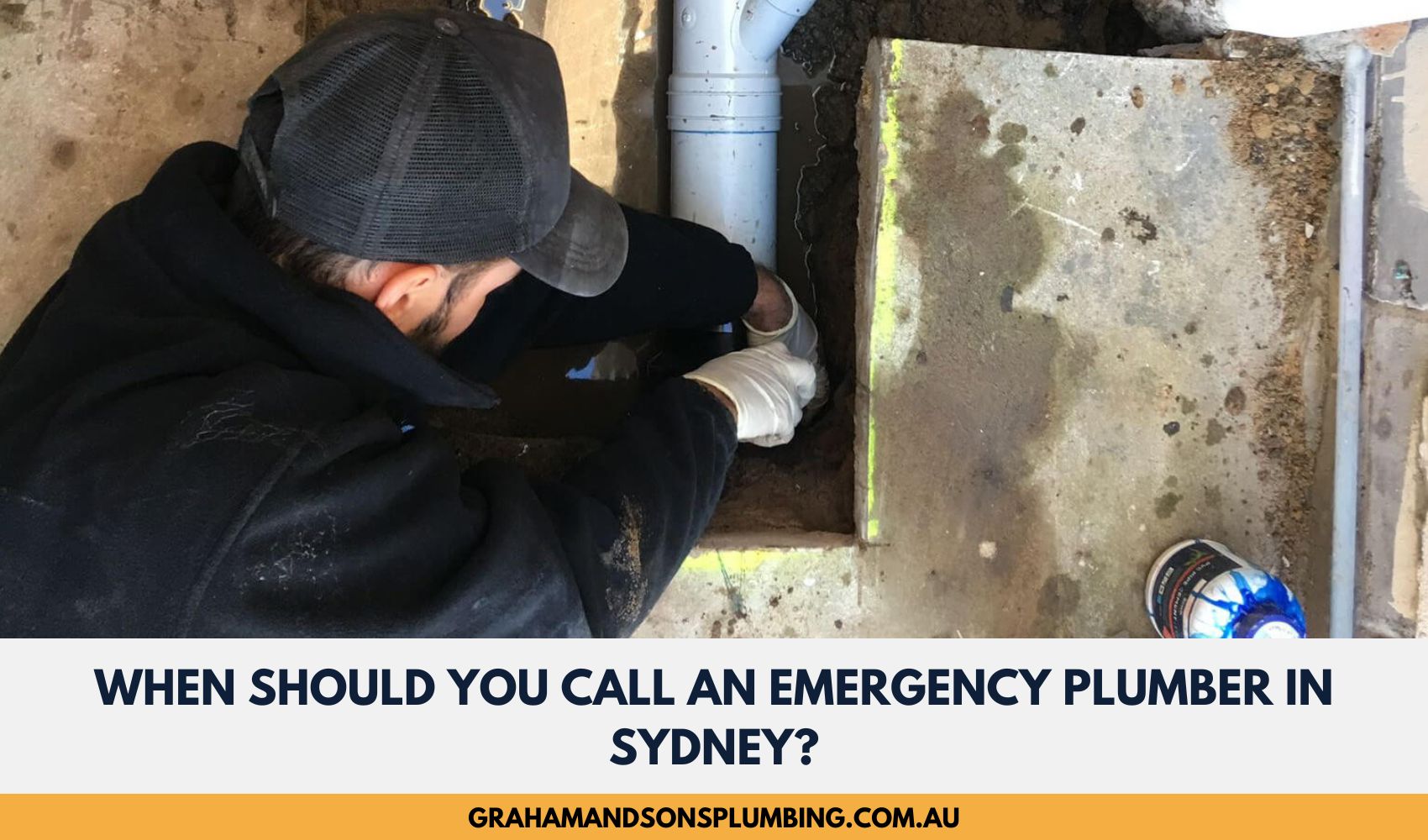
If you are dealing with a plumbing problem and wondering whether it can wait, the quickest way to decide is to look for signs that the issue is causing active damage or creating a safety risk.
Call an emergency plumber immediately if you notice any of the following:
These problems tend to escalate quickly. Flooding can damage floors, cabinetry, and walls within minutes. Sewage backups create sanitation risks. Gas smells must always be treated as urgent.
When situations like these occur, the safest step is to stop using the plumbing immediately and call for emergency assistance.
At Graham & Sons Plumbing, most emergency call-outs across Sydney fall into one of these categories.
Many homeowners hesitate to call an emergency plumber because they are unsure whether the issue is serious enough. Some problems feel urgent in the moment but can safely wait until the next available appointment.
A plumbing problem is generally considered an emergency when it meets one or more of the following conditions:
Uncontrolled water leaks or flooding: Water damage can spread rapidly through floors, ceilings, and walls.
Sewage entering the home: Wastewater carries bacteria and creates serious hygiene risks.
Gas leaks or strong gas smells: Gas leaks present fire and health hazards.
Loss of essential plumbing: No water supply or unusable toilets can make the property unsafe.
Risk of structural damage: Ongoing leaks can weaken building materials.
In simple terms, a plumbing problem becomes urgent when waiting several hours could cause damage, health risks, or safety concerns.
If the issue is limited to inconvenience rather than danger, such as a slow-draining sink or a dripping tap, it can usually wait for a scheduled service.
Across Sydney properties, emergency plumbing calls often involve a handful of recurring problems. Understanding these situations helps homeowners recognise when immediate help is needed.
Burst pipes are one of the fastest ways a home can suffer water damage.
They often occur when:
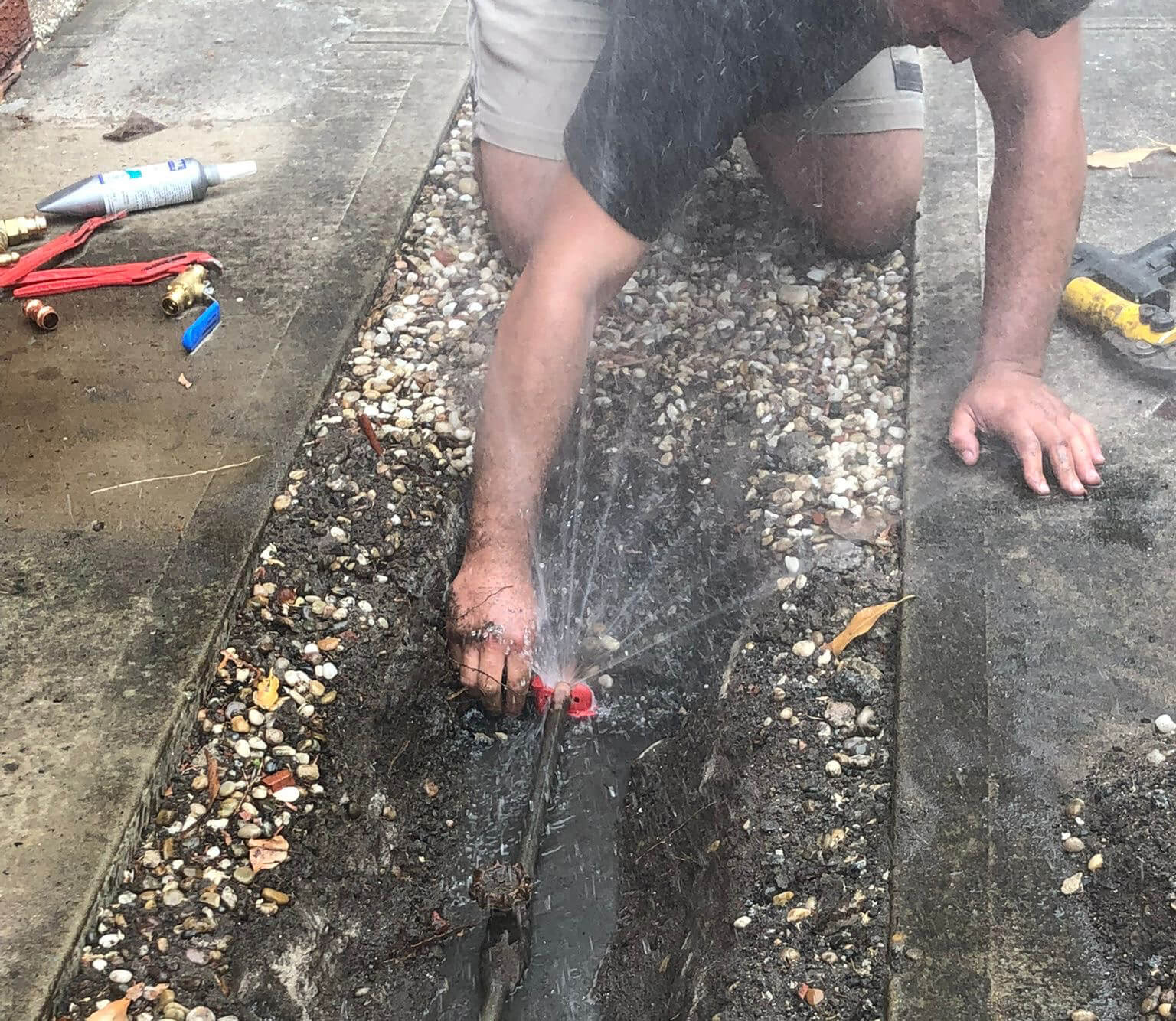
A burst pipe may release large volumes of water in a short period of time. In multi-storey homes, water can travel through ceilings and walls, damaging plaster, insulation, and electrical systems.
If water is spraying or flowing continuously, the first step should always be turning off the main water supply.
Sewage backing up into the home is an emergency. Common signs include toilets overflowing, dirty water rising from floor drains, wastewater appearing in showers or bathtubs, and strong sewer smells inside the house.
These usually indicate a severe blockage in the main sewer line. In many Sydney homes, tree roots and ageing clay pipes are common causes. When the main line is blocked, wastewater can flow back through the lowest drains in the property.
Because sewage carries bacteria and contaminants, the problem should be addressed immediately.
A blocked drain becomes urgent when water starts backing up into the home. This may involve toilets overflowing, drains gurgling, water pooling in showers or floor drains, or several fixtures blocking at the same time. These signs usually indicate a blockage in the main drain line rather than a localised clog.
When the main line is obstructed, wastewater cannot leave the property and the risk of overflow increases quickly.
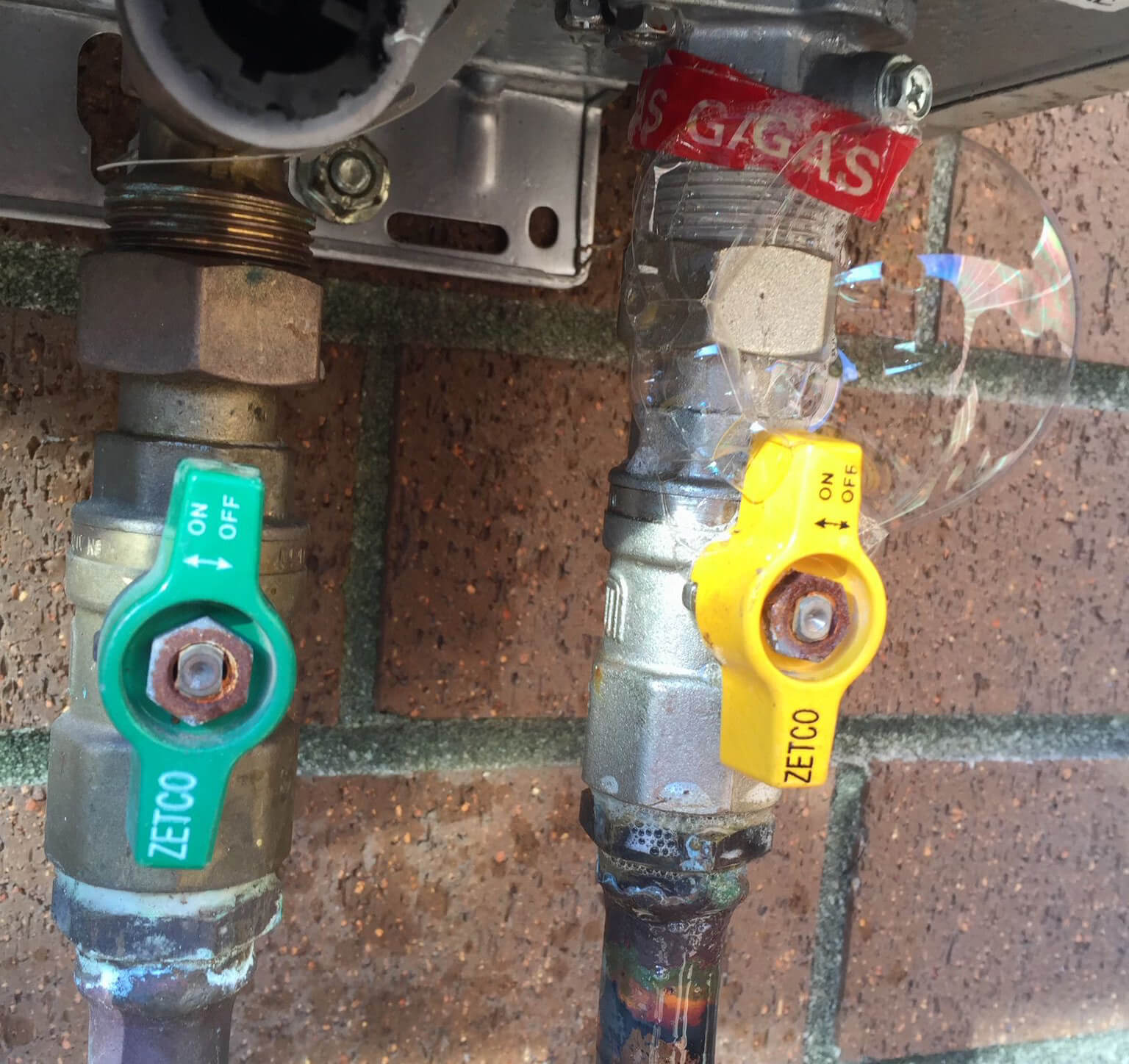
A gas smell near plumbing or appliances should always be treated as urgent. The smell is often described as rotten eggs or sulphur. Possible causes include leaking gas lines, faulty connections, damaged fittings near the meter, or appliance faults.
Avoid using electrical switches or open flames, ventilate the area if possible, and contact a licensed plumber or gas fitter immediately.
Hot water systems can also trigger emergency plumbing calls, especially when the tank begins leaking.
Signs that require attention include:
Older hot water systems can fail suddenly, particularly if internal corrosion has weakened the tank.
When a tank ruptures, significant flooding can occur in laundry rooms, garages, or utility areas.
A sudden loss of water across the entire home can indicate a serious plumbing issue. Possible causes include a burst pipe within the property, a failure in the main water supply line, or a damaged or closed valve.
If neighbouring homes still have water but your property does not, the problem is likely within your plumbing system and should be checked by a plumber.
Plumbing emergencies rarely appear without warning. In many cases, subtle signs appear days or weeks before the situation becomes urgent.
Homeowners often notice these symptoms but assume they are minor.
Common early warning signs include:
These signs often point to developing problems such as pipe leaks, partial drain blockages, or failing plumbing components hidden inside walls or underground.
Addressing these issues early can prevent them from turning into full plumbing emergencies.
Blocked drains are one of the most common plumbing problems homeowners face. Most start as minor inconveniences but can become urgent when the blockage spreads through the drainage system.
A drain blockage should be treated as an emergency when:
These situations often indicate a severe obstruction in the main sewer line rather than a localised blockage.
Tree roots are a frequent cause across many Sydney properties, particularly in areas with older drainage systems. When roots enter underground pipes, they can trap waste and create large blockages that prevent normal drainage.
If you are unsure how serious the blockage is, tools like a blocked drain severity checker can help homeowners quickly assess the situation and decide whether emergency help is needed.
Once you have called for emergency help, a few simple actions can reduce damage and make the situation safer while waiting for the plumber to arrive. The goal is not to fix the problem yourself, but to limit the impact until professional help is on the way.
If water is leaking or flooding, shutting off the main water valve can stop further damage.
Most homes have a main shut-off valve located near the water meter or where the water line enters the property.
Avoid flushing toilets, running taps, or using showers if the issue involves blocked drains or sewer backups. Continued use can push more water into already blocked pipes.
If water is spreading across the floor, move furniture, rugs, or electronics away from the affected area. This can prevent additional damage while the issue is being resolved.
If flooding is close to electrical outlets, power boards, or appliances, switch off electricity at the main switchboard if it is safe to do so. Water and electricity together can create serious hazards.
Open windows and doors if wastewater or sewer smells are noticeable. Good ventilation can help reduce odours and improve air quality until the plumbing issue is resolved.
These steps are simple but effective. They help prevent further damage while ensuring the situation remains as safe as possible.
Not every plumbing issue requires an urgent call-out. Many problems feel frustrating, but can safely wait for a scheduled plumbing appointment.
Examples include:
| Plumbing Issue | Why It Can Usually Wait |
| Slow-draining sink or shower | Often caused by a minor buildup that can be cleared during a routine visit |
| Dripping taps | Wasteful, but rarely urgent unless leaking heavily |
| Low water pressure | Usually linked to fixtures or valves rather than immediate damage |
| Minor pipe leaks under sinks | Can often be contained temporarily until repair |
| Hot water is running out quickly | Often, a capacity or thermostat issue rather than a system failure |
That said, small problems can still develop into larger ones over time. A slow drain today may eventually become a major blockage if ignored, and some long-term plumbing issues may even fall into categories that home insurance policies do not cover.
If you are unsure whether the issue is urgent, speaking to a plumber for advice is always a sensible step.
Plumbing emergencies escalate quickly. Water leaks can damage floors, walls, and ceilings within hours, while sewage backups introduce bacteria and contamination into the home.
Problems that start small often become far more expensive once moisture spreads through building materials. Understanding how plumbing repair costs can escalate in Sydney helps explain why acting early is usually the safer option.
If you notice flooding, sewage backup, or any urgent plumbing issue, it is safer to act quickly. Graham & Sons Plumbing provides emergency plumbing services across Sydney and can assess the problem before it causes further damage.
Many homeowners hesitate to call a plumber because they are unsure whether the issue qualifies as an emergency.
In reality, it is often easier to ask for advice rather than guess.
An experienced plumber can quickly determine whether the issue is urgent, if immediate action is required, what steps you should take while waiting, and whether a same-day visit is recommended.
At Graham & Sons Plumbing, we regularly speak with homeowners across Sydney who simply want to confirm whether their plumbing problem can wait or needs urgent attention.
Even a short conversation can help clarify the situation and prevent unnecessary damage.
Plumbing emergencies are not always obvious at first. Many start as small problems that gradually escalate.
In general, the situation should be treated as urgent if it involves:
When these problems occur, quick action makes a significant difference. Calling an emergency plumber early can prevent serious damage and keep repair costs manageable.
If you are unsure whether your plumbing problem is urgent, it is always safer to seek professional advice from a licensed Sydney plumber. A fast assessment can help you decide the right next step and protect your home from further issues.

* Between 8.30am - 5.00pm, Monday to Friday.

